
How Should Beginners Choose Tea?

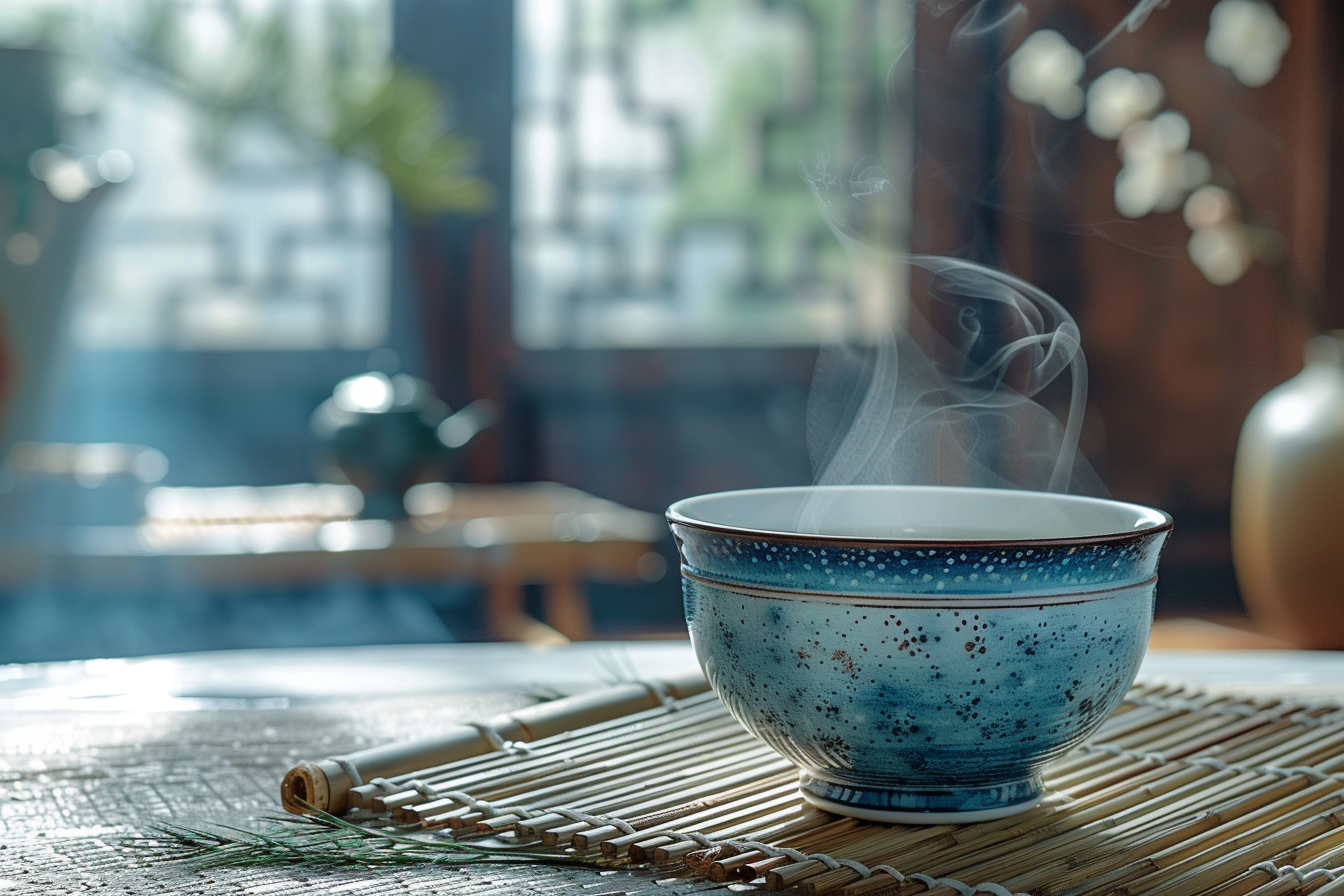
How Should Beginners Choose Tea? A Guide to the Six Main Tea Types
Chinese tea culture is incredibly profound and boasts a long, rich history. Yet, stepping into a tea market or browsing tea websites can leave you completely overwhelmed by terms like “Pre-Ming First Spring,” “Core Authentic Cliff-Charm,” or “Wild Aged White Tea.” For beginners who haven’t even tasted the sweetness of the tea yet, the complex classifications, intricate terminology, and a market where truth blends seamlessly with fiction are often enough to make them quit before they start.
In reality, choosing tea is not as intimidating as it seems. Although there are tens of thousands of names for Chinese teas, they all stem from a single source. Every single one falls under one of the “Six Main Tea Types.” Today, this practical guide will use the most straightforward language to help you master the six tea categories in just three minutes. We’ll also give you a fool-proof anti-scam guide so you can buy with confidence and drink like a pro.
1. Master the Six Main Tea Types in Three Minutes
The core criterion for classifying tea is not the variety of the tea plant itself, but rather the degree of fermentation (processing technique). Different degrees of fermentation directly determine the color of the liquor, its aroma, and how it interacts with your body’s constitution.
1. Green Tea: Capturing the Crispness of Spring (Unfermented)
Green Tea is China’s most widely produced and consumed tea. The production process utilizes high-temperature “kill-green” (fixing) to halt fermentation entirely, maximizing the preservation of the fresh leaf’s natural substances.
-
Flavor Profile: Fresh, crisp, and brisk with distinct notes of toasted beans, orchids, or chestnuts. It carries a subtle touch of bitterness that quickly gives way to a lingering sweetness (Hui Gan).
-
Famous Examples: West Lake Longjing, Dongting Biluochun, Xinyang Maojian, Huangshan Maofeng.
-
Best For: Office workers who sit in front of computers all day or individuals with “hot” body constitutions. Because of its cool nature, it is best avoided on an empty stomach or by those with sensitive stomachs or poor sleep.
2. White Tea: The Magic of Time and Nature (Micro-fermented)
White tea features the simplest processing method: no pan-firing and no rolling. It undergoes only “withering” and “drying,” leaving the tea in its most natural, unadulterated state.
-
Flavor Profile: Young white tea is sweet, crisp, and grassy. However, as it ages over the years, its nature shifts from cool to warm, developing deep aromas of Chinese medicine and dried jujubes. The liquor deepens in color, and the flavor becomes incredibly rich and smooth. As veteran tea lovers say: “One-year tea, three-year medicine, seven-year treasure.”
-
Famous Examples: Baihao Yinzhen (Silver Needle), Bai Mudan (White Peony), Shoumei.
-
Best For: People who love minimalist, natural flavors, or those interested in collecting and aging tea.
3. Yellow Tea: The Unique “Sealed Yellowing” Craft (Lightly fermented)
Yellow tea’s processing is similar to green tea, but it introduces a unique “Men Huang” (sealed yellowing) step. The leaves are smothered under damp heat to allow for a very light, controlled fermentation.
-
Flavor Profile: Characterized by its signature “yellow liquor and yellow leaves.” Compared to green tea, it has significantly lower bitterness and astringency, offering a smoother, mellower, and sweeter taste.
-
Famous Examples: Junshan Yinzhen, Huoshan Huangya.
-
Best For: Those who want the fresh, vibrant taste of green tea but find green tea too harsh on their sensitive stomachs.
4. Oolong Tea (Cyan Tea): The Pinnacle of Aroma and Craftsmanship (Semi-fermented)
Oolong tea involves the most complex processing techniques, revolving around “shaking the leaves” (bruising) and “charcoal roasting.” Its aroma is incredibly intense, making it the ultimate test of a tea master’s skill.
-
Flavor Profile: Explosive aromatics featuring natural floral and fruity notes, or the legendary “Cliff Charm” (Yan Yun) found in rock teas. It is full-bodied, incredibly complex, and highly durable—yielding numerous steepings.
-
Famous Examples: Anxi Tie Guanyin, Wuyi Da Hong Pao (Big Red Robe), Fenghuang Dancong (Phoenix Dancong).
-
Best For: Intermediate and advanced tea lovers who demand high aroma, flavor complexity, and dynamic taste transitions.
5. Black Tea: The Warm, Sweet Crowd-Pleaser (Fully fermented)
(Note: Known as “Red Tea” or Hong Cha in China due to the color of its liquor). During production, the leaves are allowed to fully oxidize, converting tea polyphenols into thearubigins and theaflavins.
-
Flavor Profile: Yields a brilliant reddish-gold liquor with a sweet, gentle taste. It carries notes of honey, pine smoke, or longan soup, with virtually no bitterness or astringency.
-
Famous Examples: Zhengshan Xiaozhong (Lapsang Souchong), Jin Jun Mei, Qimen Black Tea (Keemun), Dianhong (Yunnan Black).
-
Best For: People with cold body constitutions, women, or anyone looking for a cozy afternoon tea that pairs perfectly with milk or sugar.
6. Dark Tea: The Mellow Depth of Aged Years (Post-fermented)
Dark tea uses more mature, older tea leaves and relies on a “Wo Dui” (wet-piling) process to trigger microbial fermentation. It is a living tea that can be aged long-term, appreciating in value over time.
-
Flavor Profile: Deep, rich, reddish-brown liquor with earthy, camphor, or woody aged aromas. It glides down the throat with a silky, thick texture and causes zero irritation to the stomach.
-
Famous Examples: Ripe Pu-erh, Anhua Dark Tea, Guangxi Liubao Tea.
-
Best For: Those looking for a heavy, soothing tea to aid digestion and cut through grease after a heavy meal, or older demographics.
2. Three Golden Rules for Beginners
Now that you know the six types, how do you actually pick a tea when faced with countless commercial products? Keep these three golden rules in mind:
1. Choose Based on Your Body Constitution and the Season
Tea has its own “personality.”
-
Listen to your body: หากคุณเป็นคนขี้ร้อนหรือเครียดง่าย ชาเขียวที่มีฤทธิ์เย็นและชาขาวอ่อนๆ จะเหมาะที่สุด หากคุณมีมือและเท้าเย็นบ่อยๆ หรือกระเพาะอาหารไม่แข็งแรง คุณควรเลือกชาดำที่มีฤทธิ์อุ่น ชาผู่เอ๋อร์สุก หรือชาขาวบ่ม.
-
ทำตามฤดูกาล: ปรับพฤติกรรมการดื่มให้สอดคล้องกับธรรมชาติ: “ชาเขียวในฤดูใบไม้ผลิ ชาเขียวหรือชาขาวในฤดูร้อน ชาอู่หลงในฤดูใบไม้ร่วง และชาดำหรือชาหมักในฤดูหนาว” ฤดูใบไม้ผลิเหมาะกับชาเขียวที่สดชื่น ความร้อนในฤดูร้อนจะถูกบรรเทาด้วยชาขาวที่ให้ความเย็น ฤดูใบไม้ร่วงที่แห้งแล้งจะสมดุลด้วยชาอู่หลงที่ให้ความชุ่มชื้น และฤดูหนาวที่หนาวจัดจะดีที่สุดด้วยชาดำหรือชาหมักที่ให้ความอบอุ่น.
ตรวจสอบใบชาแห้งและดมกลิ่น (หลีกเลี่ยงสารปรุงแต่งเคมี)
ไม่ว่าจะซื้อในร้านค้าจริงหรือตรวจสอบสินค้าที่สั่งซื้อทางออนไลน์ ให้ใช้ประสาทสัมผัสของคุณก่อนชง.
-
ตรวจสอบใบชา: ใบชาแห้งคุณภาพสูงควรมีความสม่ำเสมอและมีสีตามธรรมชาติ (ชาเขียวไม่ควรมีสีเขียวสดเหมือนสีทา และชาหมักไม่ควรดูเน่าเสียหรือมีเชื้อรา).
-
ดมกลิ่น: ใช้มือรองใบชาแห้ง หายใจออกอุ่นๆ ใส่ใบชา แล้วสูดกลิ่น ชาคุณภาพต่ำมักจะมีกลิ่นฉุน กลิ่นเคมีสังเคราะห์ กลิ่นอับ หรือกลิ่นไหม้ ชาคุณภาพสูงจะให้กลิ่นหอมสะอาด อ่อนโยน ที่มาจากเส้นใยพืชตามธรรมชาติ.
เริ่มต้นด้วย “ชาประจำวัน” หรือ “ชุดทดลอง” จากแบรนด์ที่น่าเชื่อถือ
ในฐานะมือใหม่ อย่าพยายาม “ตีทอง” ด้วยการซื้อชาป่าที่ไม่มีฉลากจากตลาดเกษตรขายส่งหรือผู้ขายริมถนนที่คลุมเครือ ให้ยึดติดกับชา “ประจำวัน” มาตรฐานจากแบรนด์ที่จัดตั้งขึ้น (โดยทั่วไปราคาประมาณ 30 ถึง 80 ปอนด์ต่อปอนด์) การแปรรูปของพวกเขามีมาตรฐานและราคาโปร่งใส เราขอแนะนำให้เริ่มต้นด้วยชุดทดลองที่หลากหลาย ลองชิมแต่ละชนิดหนึ่งหรือสองครั้งเพื่อกำหนดความชอบในรสชาติของคุณก่อนที่จะลงทุนซื้อในปริมาณมาก.
คู่มือป้องกันการหลอกลวงสำหรับมือใหม่: กับดักที่ซ่อนอยู่เพื่อหลีกเลี่ยง
อุตสาหกรรมชาอาจมีความซับซ้อนอย่างไม่น่าเชื่อ และผู้เริ่มต้นมักต้องจ่าย “ภาษีแห่งความไม่รู้” อย่างหนัก จงระมัดระวังให้มากหากคุณเคยได้ยินผู้ขายใช้กลยุทธ์ทางการตลาดเหล่านี้:
กับดักที่ 1: การไล่ตาม “ชาพรีหมิง” หรือ “ชาโบราณแท้” อย่างไม่ลืมหูลืมตา”
-
ความเป็นจริง: “ชาพรีหมิง” (ชาเขียวที่เก็บเกี่ยวก่อนเทศกาลชิงหมิง) นั้นอ่อนโยนและหายากอย่างแท้จริง แต่แนวคิดนี้มีความสำคัญจริงๆ เฉพาะกับชาเขียวและชาบนภูเขาสูงบางชนิดเท่านั้น ชาอู่หลง ชาดำ และชาขาวต้องการใบที่โตเต็มที่เพื่อพัฒนารสชาติที่เหมาะสม การเก็บเกี่ยวก่อนชิงหมิงจึงไม่มีความหมาย สำหรับชา “ปิงเต้าแท้” หรือ “ชาโบราณเหล่าปันจาง” ที่มีอยู่มากมายทางออนไลน์ การผลิตประจำปีที่แท้จริงนั้นมีน้อยมาก และมีราคาสูงถึงหลายพันหยวนต่อกิโลกรัม รายการราคา 9.90 หยวนพร้อมจัดส่งฟรีนั้นเป็นชาจากสวนปลูกที่ระดับความสูงต่ำที่ปลอมตัวเป็นสินค้าหรูหราอย่างหลีกเลี่ยงไม่ได้ อย่าหลงกลกับภาพลวงตาของทางลัดราคาถูก.
กับดักที่ 2: การเชื่อใน “ผลงานชิ้นเอก” “ชาที่ได้รับรางวัล” และบรรจุภัณฑ์สุดหรูอย่างไม่มีเงื่อนไข
-
ความเป็นจริง: กล่องไม้ที่สวยงามและกระป๋องเซรามิกที่หรูหราหลายใบกลับบรรจุชาที่แทบไม่มีค่าอะไรเลย คุณกำลังใช้จ่ายงบประมาณส่วนใหญ่ไปกับบรรจุภัณฑ์ ไม่ใช่ใบชา นอกจากนี้ ชาหลายชนิดที่อ้างว่า “ผลิตด้วยมือโดยปรมาจารย์มรดกทางวัฒนธรรมที่จับต้องไม่ได้” นั้นหลอกลวง แม้ว่าปรมาจารย์จะทำงานตลอด 24 ชั่วโมงทุกวัน พวกเขาก็สามารถผลิตชาด้วยมือได้เพียงไม่กี่กิโลกรัมต่อปี ผลิตภัณฑ์ส่วนใหญ่เหล่านี้เป็นชาที่ผลิตด้วยเครื่องจักรจำนวนมากที่ประทับตราด้วยชื่อเสียง ซื้อใบชา ไม่ใช่กล่อง.
กับดักที่ 3: การเชื่อว่า “ยิ่งขมและเข้มข้น ชา ยิ่งมีคุณภาพดี”
-
ความเป็นจริง: ผู้เริ่มต้นหลายคนสันนิษฐานว่าชาจะไม่มีรสชาติ เว้นแต่จะขมและฝาดอย่างยิ่ง อย่างไรก็ตาม สัญลักษณ์ของชาชั้นเยี่ยมคือ ความขมที่ละลายหายไปทันที กลายเป็นความหวานชุ่มคอ (หุยกัน). If a tea remains painfully bitter from the first steep to the last, leaving your throat dry and your tongue numb, it is almost certainly made from low-grade, overgrown material or suffered from major defects during processing.
Conclusion
Drinking tea is an entirely pure act of self-care and personal enjoyment. There is no absolute “best” tea in the world—there is only the tea that is best suited to you. Do you prefer the vibrant spring crispness of green tea, the cozy winter sweetness of black tea, or the stunning, ever-changing aromatics of an Oolong? Your own palate is the only guide you need to find out.
🎁 Take Your First Step Into the World of Tea
To save beginners from the headache of choosing, our website has curated the exclusive 【Six Main Tea Types Ultimate Beginner Sampler Pack】. This collection includes six iconic, premium-grade representations—including West Lake Longjing, 3-Year Aged White Peony, Core-Origin Da Hong Pao, and Yunnan Dianhong. Each tea is individually portioned and comes with an easy-to-follow water temperature guide.
Skip the confusion and experience the six true flavor profiles of Chinese tea without spending a fortune. [Click Here] to begin your journey into a more mindful, tea-filled lifestyle today!